מאנגלית פשוטה לאנגלית מקצועית, עשירה ומגוונת
The Fluency Formula
התוכנית המקיפה ביותר להעלאת הביטחון ושיפור האנגלית העסקית שלך באמצעות שיעורים פרטיים בזום
היא חלק בלתי נפרד מהיומיום שלך – המיילים והודעות הסלאק הם באנגלית, הישיבות בעבודה, הסמול טוק עם העובדים האמריקאים. אבל למרות זאת, עדיין קיים בך חוסר ביטחון שמונע ממך לבטא את עצמך בחופשיות. כל שיחה באנגלית מביאה איתה תחושת מתח ולחץ, והפחד לעשות טעויות עוצר אותך מלהביע את עצמך בצורה הטובה ביותר.
אוצר המילים שלך עדיין לא עשיר מספיק, הדקדוק שלך עדיין לא מושלם, וכל טעות קטנה גורמת לך לחוסר נוחות. ואם חלילה Grammarly או ChatGPT יסגרו את הבסטה, זה יהיה קשוח מאוד.
בטח גם שמעת שהביטחון יבוא עם הדיבור והתרגול – "ככל שיהיו לך יותר הזדמנויות לתרגל, כך יעלה הביטחון". אבל זה תוקע אותך במעגל קסמים אכזרי – הרי אם אין לי ביטחון, איך אפשר לדבר? ואם לא אדבר, איך יהיה לי ביטחון?
ניסית כל מיני דברים בעבר – החלפת את הכתוביות בנטפליקס מעברית לאנגלית, החלטת להקשיב לפודקאסט כל יום בדרך לעבודה, ואולי גם התחלת לקרוא ספר. אפילו עשית כמה שיעורים פרטיים עם מורה נחמדה. אבל שום דבר לא הביא לשינוי משמעותי.
אז למה האנגלית שלך עדיין לא המריאה?
התשובה היא ששיפור שפה הוא תהליך שבנוי ממספר אלמנטים שצריך לשפר בו זמנית. ורק כאשר עובדים עליהם בצורה ממוקדת ומסודרת, מגיעים לקפיצה משמעותית.
האנגלית שלך יכולה לעבור מרמה טובה לרמה מעולה, כל מה שצריך זה שיטת לימוד נכונה והתמדה בתהליך.
ובדיוק בשביל זה נוצרה תוכנית הליווי
The Fluency Formula
כדי להראות לך איך עושים את זה נכון ולאפשר לך לדבר אנגלית בביטחון מלא ובצורה טבעית, מקצועית וחלקה.
בתוכנית נעבוד על 6 חלקי הפאזל של האנגלית שלך:
שטף הדיבור:
שטף הדיבור הוא המרכיב הבסיסי שמאפשר לך לנהל שיחה באנגלית בלי להתעכב או להתבלבל. נתרגל דיבור שוטף דרך שיחות וסימולציות שידמו מצבים אמיתיים מהיומיום שלך, מה שיאפשר לך לדבר בצורה חופשית וטבעית בכל סיטואציה, בעבודה ובחיים האישיים.
אוצר מילים וביטויים (קז'ואל וביזנס):
אוצר המילים שלך יהפוך לעשיר ומגוון יותר, עם דגש על מילים וביטויים שימושיים גם לשיחות קז'ואל וגם לאנגלית עסקית. נלמד אותך להשתמש בביטויים המתאימים לכל סיטואציה, מה שיעזור לך להביע את עצמך בצורה מדויקת וברורה, ויביא לך את הביטחון לדבר עם כל אחד, על כל נושא.
דקדוק ברמה גבוהה:
הבנה ושימוש נכון בדקדוק הם המפתח לדיבור ברור ומדויק. נעמיק בחוקי הדקדוק ונתרגל אותם עד שיהפכו לטבע שני. במהלך תוכנית הליווי, נלמד אותך לבנות משפטים נכונים ונעזור לך לשפר את רמת הדיוק שלך, מה שיתרום לשטף הדיבור ולביטחון העצמי שלך.
מבטא והגייה:
מבטא והגייה נכונים יכולים לעשות הבדל עצום בתקשורת שלך באנגלית. נעבוד על הצלילים וההיגויים השונים כדי שהמבטא שלך יהיה ברור ומובן יותר, מה שיאפשר לאנגלית שלך להישמע טבעית ואותנטית יותר.
גישור על הבדלים בין-תרבותיים:
הבנת ההבדלים בין התרבויות השונות יכולה לשפר את התקשורת שלך באנגלית. נלמד על הנורמות התרבותיות השונות, מה שיאפשר לך לתקשר בצורה יעילה ומכבדת עם אנשים ממגוון תרבויות. זה יעזור לך להימנע ממצבים לא נעימים ולבנות קשרים חזקים יותר בעבודה ובחיים האישיים.
ביטחון עצמי באנגלית:
אחד האתגרים המרכזיים בדיבור באנגלית הוא לא הידע, אלא הביטחון להשתמש בו. במהלך התוכנית נעבוד על חיזוק הביטחון העצמי שלך בדיבור, באמצעות תרגולים ממוקדים, משוב בונה ותמיכה מתמשכת מהמורה האישית שלך.
נלמד איך להתמודד עם בלקאאוטים, פחד מטעויות ותחושת מבוכה מול דוברי אנגלית – כדי להרגיש בנוח לדבר, גם כשזה לא מושלם.
ביחד, נשבור את כל המחסומים ונסלול את הדרך שלך לשליטה מלאה באנגלית, עם ביטחון עצמי ושטף שיחה מרשים.
מה התלמידים שלנו אומרים על הקורס?
איך לדעת אם התוכנית מתאימה לכם?
1. יש לכם אנגלית טובה, אבל לא מספיק טובה (בעיניכם):
אתם מצליחים לתקשר באנגלית, אבל תמיד יש תחושה שמשהו לא יושב ב-100%. אולי אתם מתקשים למצוא את המילים הנכונות או שאתם לא בטוחים במבנה הדקדוקי של המשפטים. אתם יודעים שאתם יכולים יותר, אבל לא בטוחים איך להגיע לרמה הבאה.
שימו לב – התוכנית לא מתאימה לאנשים שצריכים לבנות בסיס, אלא לאנשים עם רמת אנגלית טובה שמעוניינים בקפיצה לשלב הבא ולשיפור משמעותי ביכולות השפה.
2. אנגלית היא חלק מהיום-יום ומהעבודה שלכם:
אתם נדרשים להשתמש באנגלית על בסיס יום-יומי בעבודה, ואתם רוצים לשפר את היכולות שלכם כדי להיות יעילים ומקצועיים יותר בסביבה הדוברת אנגלית.
חשוב לציין שהתוכנית מתמקדת באנגלית עסקית, ולכן היא מתאימה בעיקר לאנשים שעובדים בסביבה עסקית באנגלית או מתכננים לעשות זאת בעתיד.
3. חוסר הביטחון זה משהו שמלווה אתכם בכל אינטראקציה באנגלית (או לפחות ברובן):
למרות הידע והניסיון שלכם באנגלית, חוסר הביטחון ממשיך ללוות אתכם בכל אינטראקציה. אתם מרגישים לחץ לדבר או לכתוב באנגלית, חוששים לטעות ומתמודדים עם תחושות של חוסר יכולת לבטא את עצמכם בצורה מלאה. הפחד הזה מעכב אתכם ומונע מכם להשתמש באנגלית בחופשיות ובביטחון מלא.
תוכנית מקיפה וייחודית
אם הגעת לדף הזה, כנראה שנמאס לך כבר מקורסים שלא מביאים לתוצאות מוחשיות. אולי כבר עשית כמה כאלה, ואולי זה גם עזר חלקית או באופן נקודתי, אבל בא לך את הדבר האמיתי.
בעיקר, בא לך מישהו שידריך אותך בצורה ברורה – שיכוון, ייתן משימות, וילך איתך יד ביד במסע לשיפור האנגלית שלך בצורה משמעותית.
נשמע מדויק עבורך?
אז תוכנית הליווי The Fluency Formula היא בדיוק מה שחיפשת:
שיעורים שבועיים לתרגול הדיבור השוטף
שיעורים אחד-על-אחד של שעה המועברים בלייב בזום עם מורה מנוסה לאנגלית עסקית. ניתן לקחת יותר משיעור אחד בשבוע אם רוצים לעשות תוכנית מזורזת.
תרגול נוסף לחיזוק הדיבור
שיחות אחד-על-אחד בזום של 25 דקות עם מורה לאנגלית עסקית, לצורך חיזוק שטף הדיבור ותרגול סמול טוק ו-freestyle conversation.
*גם בשיעורים וגם בשיחות הדגש הוא על שיח ושטף הדיבור. ההבדל בין השיעורים לשיחות הוא שהשיעורים מובנים (structured) ומושתתים על מערכי שיעור מסודרים, בעוד שהשיחות מתמקדות יותר בשיח חופשי.
סיכומי שיעור
לאחר כל שיעור, תקבלו מסמך מסודר המפרט את כל המילים החדשות שנלמדו במהלך השיעור, כמו גם את כל שגיאות הדקדוק וההגייה שנעשו ותיקוניהן.
שיעורים קבוצתיים אחת לשבוע לתרגול שטף הדיבור
שיעורים קבוצתיים שמטרתם לתרגל ולשפר את שטף הדיבור במסגרת שיח קבוצתי דינמי.
גישה לכל החיים לתוכן הדיגיטלי של Uptick
חומרי העשרה ותרגול הכוללים עשרות סרטונים ותרגולים לשיפור הדקדוק והמבטא והרחבת אוצר המילים. הגישה לתוכן הדיגיטלי של Uptick היא לכל החיים, מה שאומר שתמיד תוכלו לרענן את הזיכרון ולהמשיך את תהליך הלמידה גם בסיום הקורס.
הדרכה חודשית עם נועה
אחת לחודש, נועה מעבירה הדרכה מרוכזת ומעשירה על נושא משתנה מעולם האנגלית העסקית – החל מאוצר מילים רלוונטי, דרך דקדוק שימושי ועד ביטויים שחשוב להכיר בשיחות מקצועיות. ההדרכות מועברות בגובה העיניים, משלבות הסברים ברורים עם תרגול חי – ואנשים פשוט עפים עליהן! זו הזדמנות מצוינת ללמוד, לשאול שאלות ולחדד נקודות שפחות ברורות.
קבעו פגישת התאמה ללא עלות:
כמה מהחברות שמציעות את תוכנית הליווי שלנו לעובדים שלהן:
במה הקורס שלנו שונה מקורסים אחרים בפורמט אחד-על-אחד?
קורס מובנה
בניגוד לתוכניות אחרות בשוק שבמסגרתן המורים מאלתרים נושא שיחה או מבקשים מכם להציף נושא, תוכנית הליווי שלנו (The Fluency Formula) היא תוכנית מובנית. יש לנו סילבוס מסודר שנבנה מתוך ניסיון של 12 שנות עבודה אינטנסיבית עם ישראלים שפועלים בעולם הגלובלי. כחלק מהתוכנית שלנו, אתם רוכשים את כל הכלים שאתם צריכים כדי להתנהל באנגלית בצורה שוטפת ונכונה בסיטואציות עסקיות, ואתם יודעים בדיוק איזה כלים תרכשו בכל שיעור ובאיזה נושא נתמקד. כן חשוב לציין שלמרות שמדובר בשיעורים מובנים, השיעורים עדיין מתנהלים בצורה שיחתית ואינטראקטיבית ויש גמישות מבחינת התכנים.
מורים מוסמכים דוברי אנגלית שפת אם שגרים בארץ
בניגוד לתוכניות אחרות שמועברות על ידי מורים מרחבי העולם ללא זיקה לישראל, המורים של Uptick גדלו בארצות הברית ועשו עלייה לארץ, מה שאומר שהם דוברי אנגלית כשפת אם ועברית כשפה שנייה, יש להם ניסיון גם עם התרבות האמריקאית וגם עם התרבות הישראלית, ויש להם את היכולת לסייע לישראלים לתרגם מילים וביטויים מעברית לאנגלית כשהשיחה נתקעת בעקבות קושי בשליפה.
ב-Uptick, תוכלו לתאם שיעורים משעות הבוקר עד שעות הערב המאוחרות, ויש גם אופציה לשישי.
גישה לכל החיים לתוכן הדיגיטלי שלנו
ב-Uptick, גם לאחר שתסיימו את השיעורים שרכשתם, תהיה לכם גישה לכל החיים לחומרי התרגול וההעשרה שלנו, מה שאומר שתמיד תוכלו לחזור אחורה, לרענן את הזכרון ולהמשיך ללמוד ולתרגל. בנוסף, תמיד נהיה זמינים עבורכם לשאלות ולסיוע.
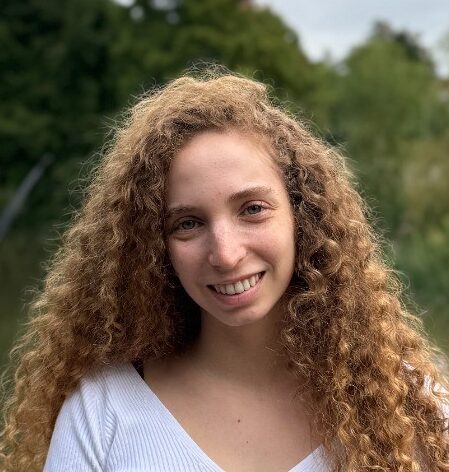
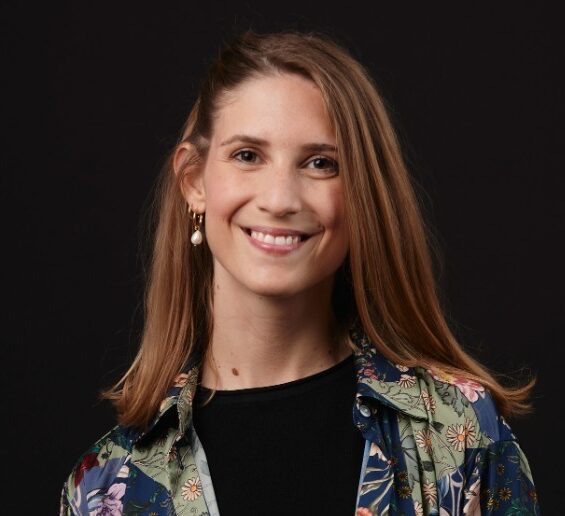
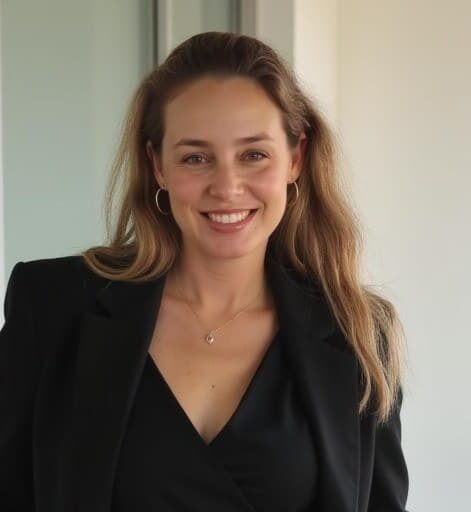
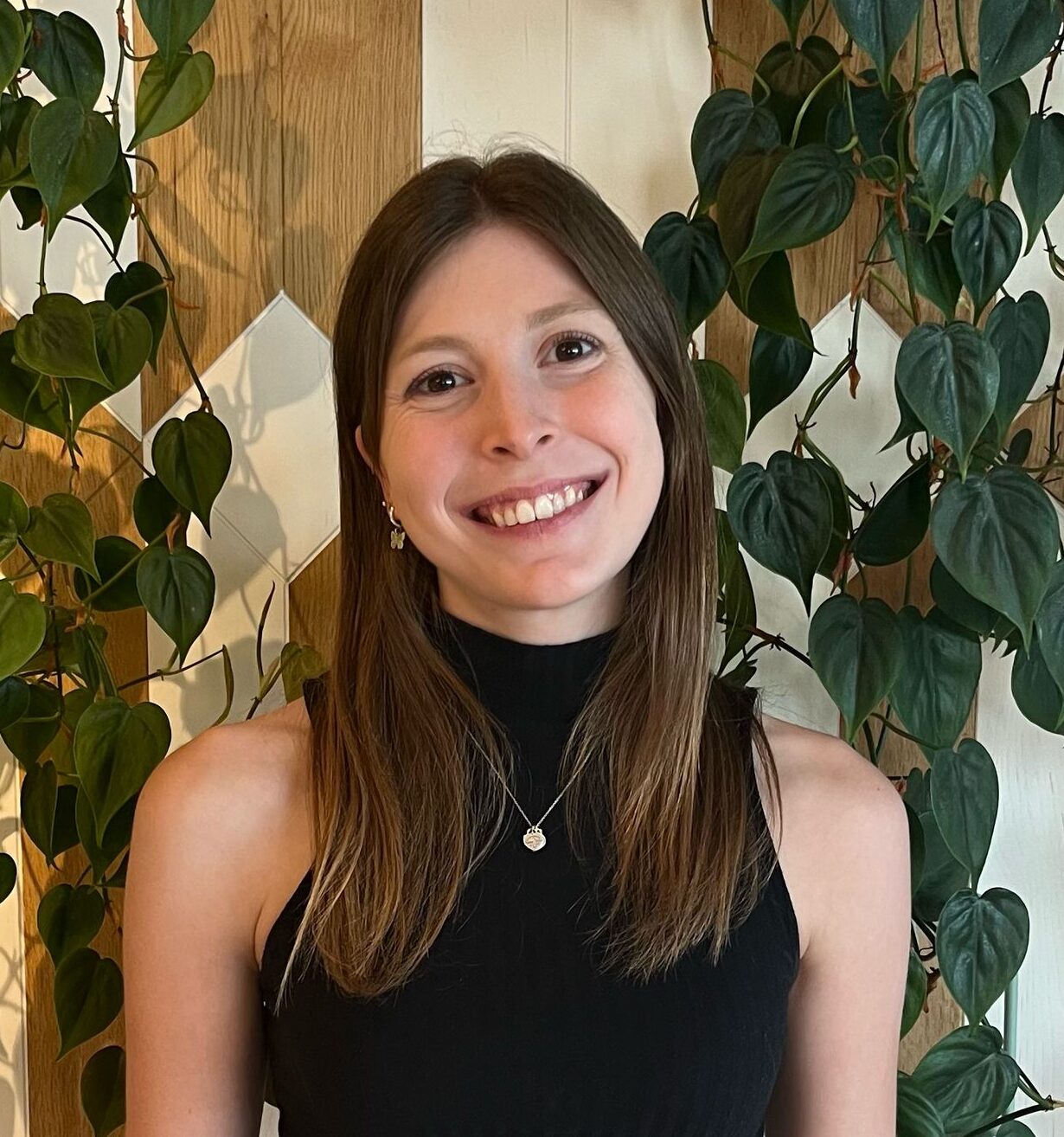
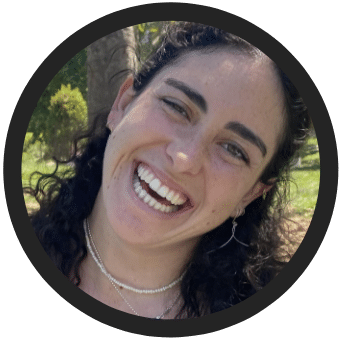
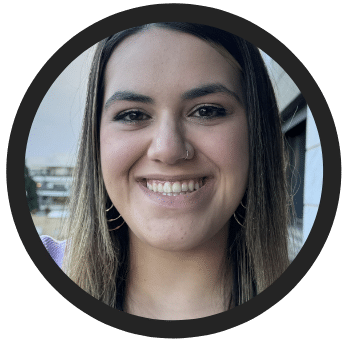
הכירו את הצוות
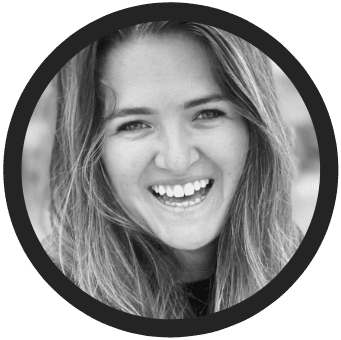
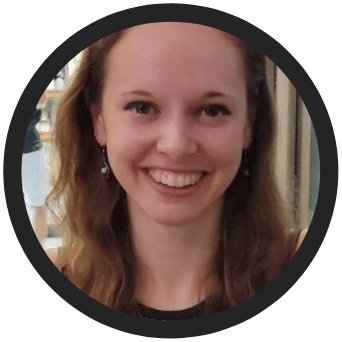
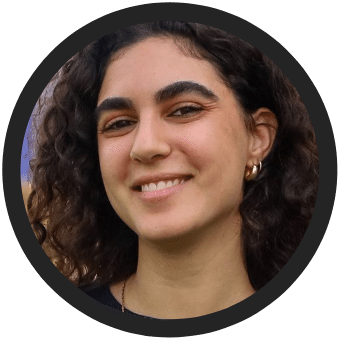
צוות ההדרכה של Uptick מורכב ממדריכים מוסמכים, אנרגטיים, דוברי אנגלית כשפת אם, עם תשוקה לאינטראקציה עם אנשים ולשיתוף הידע שלהם.

אילן בוסקילה

גבי דטנאו

דנה לובנברג

זהר נחום

טל בן יהושע

יעל אוקן
ירדן גפן

לינה לנדזברג
מאי ביני
מאיה ביילי

מיה אבי-יצחק

מלאני חייקין

סיאנה רפפורט

שלו ליפר
ואם נראה לכם שאני משוחדת, אז…
בסיום כל שיעור, אני שולחת לתלמיד/ה טופס פידבק קצר על החוויה ועל המורה כדי להבין איך היה.
הנה רק חלק קטן מהדברים המדהימים שהתלמידים שלנו כתבו על צוות ההוראה שלנו:
מי מובילה את התוכנית?
אם אתם עדיין לא מכירים אותי…
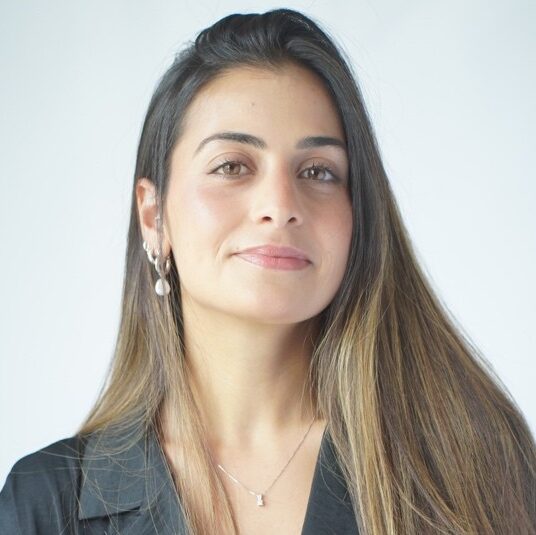
אז היי, אני נועה כהן.
נתחיל בזה שאני בת 33 וגרה בתל אביב. אני הבעלים של Uptick, פלטפורמה ללימודי אנגלית. בשנים האחרונות, הצוות שלי ואני עזרנו ליותר מ-4,000 אנשים לשפר את יכולות הדיבור שלהם ולהגביר את הביטחון העצמי שלהם באנגלית.
נולדתי וגדלתי בארץ, ובגיל 12 עברתי עם המשפחה ללוס אנג'לס כשאבא שלי החליט להגשים חלום וללמוד תסריטאות ב-UCLA. הייתי ילדה עם חלומות גדולים ונחישות בלתי מתפשרת לדעת אנגלית ברמה הגבוהה ביותר. החלום שלי היה להשתלב, להרגיש חלק מהתרבות החדשה, ולא להרגיש זרה. במשך ארבע שנים, לקחתי שיעורים פרטיים על בסיס שבועי – העשרתי את אוצר המילים שלי, למדתי את כל חוקי הדקדוק ועבדתי על המבטא.
בגיל 16 חזרתי לארץ עם אנגלית מושלמת.
אחרי שהשתחררתי מהצבא, התחלתי לעבוד באחד מבתי הספר המובילים ללימודי אנגלית, שם לימדתי אנגלית עסקית במשך ארבע שנים. התפקיד שלי היה ללמד מנהלים בכירים בחברות כמו קוקה קולה, Ness, נת"ע ועוד. באותה תקופה גם הייתי סטודנטית לתואר ראשון בפסיכולוגיה.
כשסיימתי את התואר הראשון, התחלתי לעבוד בחברת תרגום כמנהלת פרויקטים. במקביל, המשכתי ללמד אנגלית עסקית באופן עצמאי, עשיתי תואר שני במנהל עסקים והוצאתי תעודת הוראת אנגלית מאוניברסיטת Cambridge.
אחרי שסיימתי את התואר השני וקיבלתי את תעודת ההוראה, החלטתי לפתוח את Uptick כדי להביא משהו יותר פרקטי, ממוקד ומקיף לעולם של לימודי האנגלית.
בשנה הראשונה, Uptick הייתה one-woman show, ובתקופת הקורונה העסק התפוצץ (במובן החיובי) וגדלנו להיות צוות של עשרה אנשים תוך כמה חודשים.
בתור מישהי שאינה דוברת אנגלית מלידה, אני יכולה להזדהות ב-100% עם הקשיים שהרבה מכם חווים עם האנגלית, כי הייתי באותו מקום של חוסר ביטחון וחוסר יכולת לבטא את עצמי. אני זוכרת את הרגעים שבהם לא הצלחתי למצוא את המילים הנכונות, ואת תחושת התסכול שהגיעה עם כל טעות.
וזו בדיוק הסיבה שהקמתי את Uptick. יש הרבה ניואנסים של השפה שלא לימדו אותנו בבית הספר כי אולי מישהו שם במשרד החינוך חשב (ועדיין חושב) שהם לא חשובים. אבל הם אלו שעושים את ההבדל המשמעותי ביותר, ועליהם צריך לשים את הדגש.
אחרי שהצלחתי לקחת את האנגלית שלי לרמת נייטיב, החלטתי שאני חייבת להעביר את הידע הזה הלאה. מאז ועד היום, ב-5 השנים האחרונות, לימדנו יותר מ-4,000 אנשים איך לדבר אנגלית בצורה מעולה ובביטחון.
אני יודעת בדיוק איך זה מרגיש לרצות כבר את הפריצה הזו שלא מגיעה. הייתי שם.
ולכן אני יודעת לומר גם לך שזה יכול לקרות גם לך. רק צריך לדעת איך להגיע לזה.
אנחנו כאן כדי לעזור לזה לקרות ❤️
The Fluency Formula Syllabus
This is your official introduction to the wonderful world of Uptick! For the first time, you’ll meet with an energetic and enthusiastic Uptick coach who’s here to get to know you as a person, a professional, and an English speaker. You’ll have the opportunity to discuss your goals and needs for the course, learn about the key elements of The Fluency Formula, and start speaking right away in a fun, relaxed, and supportive learning environment.
You will leave with: a clear plan for the course and a strong start to speaking with confidence.
What separates a good manager from a great one? In this speaking lesson, you will talk about leadership at work and what makes communication between managers and employees effective. You will share opinions, describe real situations, and practice useful phrases for leadership conversations.
You will leave with: new vocabulary for leadership and more confidence expressing your ideas clearly.
Do we say in, at, or on June? In, at, or on the airport? If you’ve ever been unsure about which word to use when talking about time or place (in, at or on), you’re not alone. In this lesson, our coaches will show you the logic behind the use of these little words (AKA, prepositions) and help clear up your confusion on this topic. You’ll then have the chance to practice using these prepositions correctly in guided conversation.
You will leave with: clear rules and the ability to choose the correct preposition in everyday speaking.
Being able to communicate clearly and respectfully, especially when giving or receiving constructive feedback, is an essential skill for both our personal and professional lives. In this fluency-focused lesson, you’ll discuss different methods of sharing feedback, reflect on your own personal experiences with giving and receiving feedback, and even be challenged to simulate such conversations in real time – all in English!
You will leave with: a set of ready-to-use feedback phrases and stronger confidence handling sensitive conversations.
Do you struggle with saying words like breathe, brother, thanks, and thousand? Pronouncing the TH correctly can help you sound more professional and feel more confident as an English speaker. However, it can be very tricky at first, especially for Israelis. In this unique pronunciation lesson, our coaches will teach you about the types of TH sounds, give you tips for making the sounds, and guide you through multiple practice exercises designed to help you develop this new speech habit.
You will leave with: a clear technique for TH and a better, more confident pronunciation habit.
Debate can be tricky and challenging even in your own language, so why not challenge yourself even more and try it in English? In this lesson, you’ll have the opportunity to take part in a debate-style conversation guided by one of our Uptick coaches. You’ll learn effective techniques and frameworks to confidently communicate and defend your viewpoint on a variety of challenging subjects.
You will leave with: stronger fluency, clearer argument structure, and more confidence in real discussions.
Why do we say “prepare for,” “listen to,” or “provide with”? These are called verb+preposition combinations, and the only way to really learn these combinations is through conscious practice. In this lesson, you’ll develop your verb+preposition intuition and your fluency at the same time through interesting and meaningful conversation practice led by one of our coaches.
You will leave with: a stronger “feel” for common combinations and fewer mistakes in everyday speaking.
No matter which language you speak, discussing ethical issues isn’t simple because what is morally right and wrong is different to everyone. Discussing ethics requires nuance and sensitivity. This lesson will push you out of your comfort zone as you reflect on your own experiences with ethical dilemmas within both personal and professional settings. You’ll have the chance to articulate your thoughts on a broad range of complex ethical issues facing our world today, and practice defending your perspectives in a meaningful way.
You will leave with: vocabulary for ethical topics and improved confidence discussing complex issues.
Have you ever noticed that take on, take off, take up, and take over all mean different things? These are called phrasal verbs, and though they may look like grammar, they are really just vocabulary in disguise. In this lesson, you’ll be introduced to a variety of common phrasal verbs, learn how to spot them in the real world, and have the opportunity to practice using them in a conversation to enrich your own vocabulary.
You will leave with: useful phrasal verbs you can use immediately and better understanding when you hear them.
In this lesson, you’ll solidify the knowledge you’ve collected so far with a review of prepositions and phrasal verbs. Furthermore, you’ll gain confidence in your ability to read large numbers in English, including whole numbers, decimals, and fractions, to improve your comprehension and accuracy in numerical contexts.
You will leave with: stronger accuracy on what we’ve covered so far, and more confidence reading numbers out loud.
Most people think “American accent” is about rolling R’s or saying TH perfectly. But the real secret is much smaller: a tiny, relaxed sound that shows up in the most common words in English. It’s called the schwa, and once you notice it, you’ll hear it everywhere. In this lesson, you’ll dive into the wonderful world of schwa and train your ear and your muscles to recognize and produce the sound through guided practice exercises. With the schwa in your tool kit, you’ll be one HUGE step closer to sounding more like a native English speaker.
You will leave with: more natural-sounding pronunciation and clearer listening skills.
Why say “read again” when you can just say “reread”? Why say “before the war” when you can just say “prewar”? Prefixes are small groups of letters that we add onto the beginning of existing words to create new words with slightly different meanings. Prefixes are a neat hack for enriching your vocabulary because if you know the meaning of the prefix and the word it’s attached to, you can understand the entire word even if you’ve never seen it before. In this lesson, you’ll learn how to recognize prefixes, understand what they mean, and add prefixed words to your vocabulary via conversational practice.
You will leave with: a practical vocabulary strategy and a stronger ability to guess meaning in new words.
In this lesson, you’ll master the difference between the present simple (e.g., "I work here") and present progressive (e.g., "I'm working here"), and understand the common errors made by Israelis when using these tenses in conversation. With this knowledge, you'll improve your ability to communicate effectively and confidently in English, avoiding common pitfalls and ensuring accurate expression of your ideas in conversations.
You will leave with: clear rules and improved accuracy when speaking about the present.
Should you say “I ate” or “I have eaten”? We know it’s confusing, and we’re here to clear it up for you. In this lesson, we’ll provide you with an in-depth explanation of the structure and uses of both of these tenses, followed by guided conversation practice to solidify your understanding. By the end of this lesson, you’ll be able to confidently and correctly talk about your life in both formats.
You will leave with: confidence talking about past events and recent actions without second-guessing yourself.
Now that you understand when to use “I ate” and “I have eaten,” why not also throw “I have been eating” into the mix? Once again, we’ll do a grammatical deep dive into the structure, rules, and uses of this tense, and then reinforce your knowledge through conversation practice. Furthermore, we’ll train your fluency with interesting discussions focused on navigating organizational changes in the workplace.
You will leave with: the confidence to use the “have been” tense naturally, and stronger fluency discussing workplace change.
In this speaking-focused lesson, we’ll reflect on your own professional experiences in a global environment through meaningful discussion, learn common workplace initialisms (like FYI and IDK), revisit prefixes, and enrich your vocabulary with some new business idioms.
You will leave with: practical language for global teamwork and smoother communication in international settings.
In this lesson, we’ll focus on refining your American R so your speech is easier to understand and flows more naturally. You’ll learn the mechanics behind the sound and practice with targeted repetition so you can apply it immediately in everyday speaking. We’ll also work on professional tone: you’ll practice transforming simple statements into language that sounds more precise and business-appropriate using your growing vocabulary.
You will leave with: better pronunciation of the American R and more professional-sounding phrasing.
In this lesson, you’ll learn eight new, high-use idioms and – more importantly – practice using them in conversation so they actually stick. You’ll work on when they sound natural, what tone they create, and how to avoid using them in the wrong context. Then we’ll sharpen your grammar with a super common (and super practical) skill: knowing when to use an infinitive (to leave) vs. a gerund (leaving). Why do we say “I decided to leave early” but “I regret leaving without saying goodbye”? There are clear patterns behind this, and you’ll practice them through guided speaking so you can choose the correct structure confidently in real life.
You will leave with: clearer grammar choices and new idioms you can use naturally.
The world of work has changed dramatically in the last few years – and to talk about it clearly, you need the right vocabulary. In this lesson, you’ll build modern, workplace-ready language to describe your day-to-day reality. You’ll also strengthen a key grammar skill for sounding precise and professional: choosing between adjectives and adverbs. You’ll learn the difference between “She gave a confident presentation” (adjective) and “She presented confidently” (adverb), and practice using both correctly so you can describe people, products, and experiences with more clarity, accuracy, and polish.
You will leave with: practical vocabulary and the ability to describe people and performance more accurately.
In this lesson, we’re diving into the world of comparative correlative clauses, gaining the skills to effectively express comparisons in a professional context. Through comprehensive instruction and interactive exercises, you will learn how to construct sentences using comparative correlative structures such as "the more… the more" and "the less…the less." For instance, you will master the usage of phrases like "The more effort you put in, the greater the results" and "The less you procrastinate, the less stress you will experience."
You will leave with: a new structure for clear comparisons and better control of your speaking accuracy.
In this lesson, you’ll learn how to build strong business relationships by choosing language that’s clear, respectful, and collaborative. Also, through interactive activities and real-life scenarios, you’ll practice practical business words and phrases that help you create rapport, show reliability, and keep communication smooth.
You will leave with: confident relationship-building language you can use at work immediately.
Emails play a critical role in the world of business communication. Are your emails up to standard? In this workshop, we will discuss common email-writing errors in terms of formatting, style, grammar, vocabulary, punctuation, and capitalization. You’ll learn how to write an informative, yet concise email that will allow you to deliver your written thoughts naturally, clearly, and professionally.
You will leave with: a simple email framework and stronger, more professional writing skills.
Idioms are expressions in English that we use to make our language more colorful and exciting. For example, you might hear someone say “break the ice” (start a conversation), “spill the beans” (reveal a secret), “hit the nail on the head” (be exactly right), or “once in a blue moon” (very rarely). In this lesson, you’ll learn fourteen common English idioms and then hit the ground running (another idiom) on adding them to your vocabulary via guided conversation practice.
You will leave with: idioms you can recognize and use naturally in real conversations.
The short “A” sound is found in words like apple, bad, and happy. However, it is common for Israelis to substitute this sound with an “E” sound, and instead of apple, bad, and happy, many of us tend to say epple, bed, and heppy. In this lesson, you will learn to differentiate this vowel from other vowels and develop mastery in producing the correct sound using the appropriate mouth positioning.
You will leave with: clearer pronunciation and fewer misunderstandings in everyday speech.
What’s the difference between “I worked,” “I have worked,” and “I was working” – and which one should you use in a work message, a meeting, or a quick update? In this lesson, we’ll break down the past simple, present perfect, and past progressive in a practical way: the typical situations where each tense sounds natural, the time expressions that usually go with them, and the common mistakes to avoid. Then you’ll put it into action with guided speaking practice – so choosing the right tense starts to feel automatic.
You will leave with: faster, more automatic tense choices in meetings and messages.
How can we be more aware and respectful of other cultures when we work in a global environment? In this lesson, you’ll reflect on and discuss your own experiences interacting with foreign cultures. Furthermore, you’ll learn and practice three important ways to be more culturally competent in international settings.
You will leave with: concrete strategies and language for smoother communication across cultures.
In this lesson, you will learn the past perfect simple and past perfect progressive, for example “I had finished” and “I had been working.” You will practice them using real stories and workplace situations, like deadlines, delays, and cause-and-effect explanations.
You will leave with: clearer storytelling skills and better control of complex past timelines.
Through interactive exercises and practical guidance, you’ll learn how to confidently present yourself, communicate your achievements, and highlight your unique strengths – while practicing clear responses to challenging and spontaneous questions in a fast-paced mock interview.
You will leave with: stronger interview answers, better fluency under pressure, and practical phrases for real interviews.
Have you ever had a brilliant idea that you just had to share? It’s time to put your power of persuasion to the test! In this lesson, you’ll have the opportunity to develop your pitching techniques, self-expression, and verbal articulation in a fun, carefree environment. Furthermore, you’ll perfect your pronunciation of the soft “A” sound, as heard in everyday words like office, job, coffee, and offer.
You will leave with: stronger pitching skills and improved pronunciation in common everyday words.
A conditional is a grammatical structure that expresses the idea that one thing depends on another thing. A conditional sentence has two parts: the “if” part and the “then” part. Believe it or not, there are four different conditionals in English, and we can mix between them too. In this lesson, you will learn the rules of the zero and first conditionals, and practice using them in conversation.
Here are example sentences to kickstart your practice:
– Zero Conditional: When I get an email, I reply within a couple of hours.
– First Conditional: Our churn rate will go up if we don't improve customer satisfaction (notice how there’s no “will” after “if”).
You will leave with: the confidence to use the zero and first conditional naturally in real conversations.
What would you do if you had more time, more confidence, or fewer constraints – and how do you talk about those “what if” situations naturally in English? In this lesson, we’ll break down the second conditional in a clear, practical way: when it’s used, how the structure works, the most common mistakes, and the phrases native speakers actually use. Then you’ll practice with guided conversation scenarios so it starts to feel automatic.
You will leave with: more natural “what if” conversations and stronger fluency in hypothetical situations.
Ever replay a moment and think, “If I had known, I would’ve done it differently”? That’s the third conditional — and it’s one of the best tools for sounding fluent when you talk about past regrets, missed opportunities, and alternative outcomes. In this lesson, you’ll learn how to build third conditional sentences, when to use them, which time expressions fit naturally, and how to avoid the classic mistakes. Then you’ll practice telling real-life stories with clear cause-and-effect.
You will leave with: clearer storytelling about the past and more confident, natural-sounding reflections.
Sometimes the condition is in the past, but the result is in the present – or the opposite. That’s where mixed conditionals come in, and they’re incredibly useful in everyday conversations (e.g., “If I had gone to sleep earlier, I wouldn’t be so tired now”). In this lesson, we’ll simplify mixed conditionals into two common patterns, practice them in real scenarios, and help you choose the right structure without overthinking.
Then we’ll shift to connected speech – the “glue” that makes English sound natural. You’ll practice how native speakers link words and speak in smooth chunks. This will help your English sound less “textbook” and more like real conversation, and it will also improve your listening because you’ll start hearing these patterns more clearly.
You will leave with: better control of mixed conditionals, a more natural speaking flow, and stronger listening confidence with fast, connected English.
Do you ever have something to say in a group conversation, but can’t find the right moment – or the right wording? In this lesson, you’ll learn how to guide a discussion confidently: how to start a topic, keep it moving, interrupt politely, ask follow-up questions, disagree without sounding rude, and bring the conversation back when it goes off track. You’ll practice through real conversation tasks with your coach, so the phrases become part of your automatic speaking.
You will leave with: stronger conversation leadership and more confidence in meetings and group discussions.
Can, should, might, must, would… these small words completely change the meaning and tone of what you say. In this lesson, you’ll learn how to use modal verbs naturally to express ability, permission, advice, obligation, and probability, without sounding too direct or too unsure. We’ll focus on real-life situations, plus the most common errors learners make. Then you’ll practice until the right modal starts coming out automatically.
You will leave with: clearer, more natural communication, and better control of tone in everyday and work conversations.
Why do pool and pull look almost identical, yet sound different? English vowel sounds can be subtle, but small differences can completely change your meaning. In this focused pronunciation lesson, you’ll learn to clearly distinguish between the long “oo” sound (as in pool) and the short “u” sound (as in pull). We’ll break down the mouth positioning and muscle movement behind each sound, practice through guided repetition, and then apply the sounds in real conversation so they become natural. To reinforce your fluency, you’ll also work with new vocabulary and expressions that include these sounds, helping you integrate pronunciation directly into meaningful speech.
You will leave with: clearer vowel distinction, more accurate pronunciation in everyday words, and greater confidence being understood immediately.
Speaking in front of others can feel uncomfortable, and doing it in English can feel even more challenging. In this lesson, you’ll learn practical strategies to structure a clear, engaging talk and manage nerves effectively. You’ll reflect on your experiences with public speaking, learn useful transition phrases, and then deliver a prepared presentation in a supportive environment. Afterward, you’ll receive constructive feedback to help you grow.
You will leave with: stronger presentation structure, improved fluency under pressure, and greater confidence speaking to a group.
Will, going to, will be doing, will have done… English gives us several ways to talk about the future, but each one has a specific purpose. In this lesson, you’ll break down the most important future structures, understand when each one sounds natural, and avoid common mistakes. Through practical business and real-life scenarios, you’ll practice choosing the right tense quickly and confidently.
You will leave with: clearer future-time expression and more automatic tense choices in conversations and meetings.
Is it live or leave? Slip or sleep? Small vowel differences can completely change your meaning. In this focused pronunciation lesson, you’ll train your ear to hear the distinction between short “i” and long “ee” sounds, and practice producing them accurately. Through repetition and guided speaking tasks, you’ll gain more control over your articulation so your message comes across clearly.
You will leave with: more precise pronunciation, improved listening accuracy, and fewer misunderstandings in everyday speech.
Throughout the course, you’ve explored a wide range of English tenses. In this final lesson, we bring everything together. You’ll review the most essential tenses – present, past, and future – and practice choosing the right one naturally in real conversation. Through dynamic speaking tasks, storytelling exercises, and real workplace scenarios, you’ll strengthen your grammatical intuition and fluency.
You will leave with: stronger overall tense control, faster sentence construction, and greater confidence expressing yourself clearly in any situation.
בסוף תוכנית הליווי
The Fluency Formula:
תתחילו לנהל small talk ו-big talk באופן חופשי, טבעי ושוטף
תשוחחו ותתנהלו באנגלית תוך שימוש בדקדוק נכון ואוצר מילים עשיר
תסגרו פערים שיש לכם בשפה
תפתחו את הידע ואת הביטחון העצמי שלכם, הן במישור האישי והן במקצועי
תאמצו כלים פרקטיים שיאפשרו לכם להמשיך את תהליך הלמידה שלכם ולהשתפר כל הזמן ובכל מקום
קבעו פגישת התאמה ללא עלות:
אז מה העלות?
Starter Bundle
-
10 שיעורים של שעה (אחד-על-אחד בזום)
-
5 שיעורי שיחה של 25 דקות (אחד-על-אחד בזום)
-
סיכומי שיעור אישיים
-
גישה לכל החיים לחומרי תרגול והעשרה להעמקה עצמאית
-
שיעורי שיחה קבוצתיים לחיזוק שטף הדיבור בסביבה תומכת (בזום)
-
הרצאות חודשיות עם נועה על דקדוק ואנגלית עסקית (בזום)
-
הפופולרי ביותר
Intermediate Bundle
-
20 שיעורים של שעה (אחד-על-אחד בזום)
-
10 שיעורי שיחה של 25 דקות (אחד-על-אחד בזום)
-
סיכומי שיעור אישיים
-
גישה לכל החיים לחומרי תרגול והעשרה להעמקה עצמאית
-
שיעורי שיחה קבוצתיים לחיזוק שטף הדיבור בסביבה תומכת (בזום)
-
הרצאות חודשיות עם נועה על דקדוק ואנגלית עסקית (בזום)
-
Mastery Bundle
-
40 שיעורים של שעה (אחד-על-אחד בזום)
-
15 שיעורי שיחה של 25 דקות (אחד-על-אחד בזום)
-
סיכומי שיעור אישיים
-
גישה לכל החיים לחומרי תרגול והעשרה להעמקה עצמאית
-
שיעורי שיחה קבוצתיים לחיזוק שטף הדיבור בסביבה תומכת (בזום)
-
הרצאות חודשיות עם נועה על דקדוק ואנגלית עסקית (בזום)
-
בדיקת התאמה לתוכנית 👇
אם מעניין אתכם להצטרף לתוכנית הליווי, השאירו את הפרטים שלכם כאן ונחזור אליכם בהקדם: